Professional Area
 Distributors
 us
us


Everything that 100% freshly squeezed orange juice does for you
In a world full of artifice, nature still has something to say...
Food has never been as present in our conversations as it is now. We constantly talk about what we eat, what we should stop eating, and what is supposedly able to radically change our health. Social media, podcasts, short videos, and fast-moving headlines have turned nutrition into one of the most consumed topics in the digital environment. Never before has so much information been available. And, at the same time, never has it been so difficult to separate rigour from noise.
Every few months, a new trend appears promising to revolutionise the way we eat. Some ingredients go from being considered healthy to becoming almost public enemies. Others suddenly appear as miracle solutions. Everything happens quickly. Too quickly. Today, food is consumed like digital content: fast, simplified, and often without context.
In the middle of this scenario, something deeply striking remains: some foods continue to withstand the passage of time. They stay. They survive trends, extreme currents, algorithms, and passing controversies.
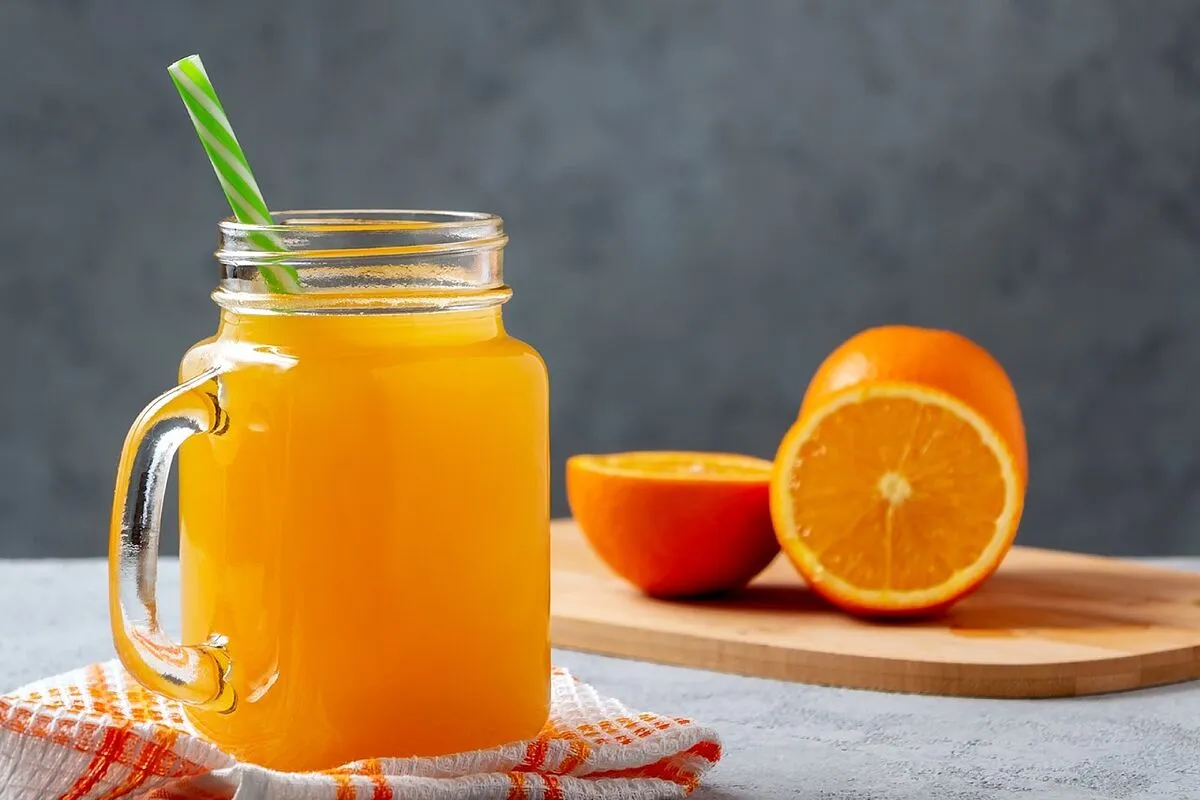
100% freshly squeezed orange juice is one of them.
For decades, it has been part of breakfasts, cafés, hotels, and homes throughout the Mediterranean. Not because it responds to a specific trend, but because it connects with something far more essential: the simple pleasure of consuming freshly squeezed fruit.
Perhaps precisely because of that, it has also become a frequent target of simplifications and alarmist headlines. In recent years, content has proliferated that directly compares it with sugary soft drinks, questions its nutritional value, or presents it as a harmful product with very little nuance. However, when scientific evidence is analysed and when we truly understand what 100% squeezed juice is, the reality becomes far more complex and much more interesting.
Because behind a glass of freshly squeezed juice there is not only flavour. There is agriculture, nutrition, Mediterranean tradition, sustainability, technology, and an extensive value chain that begins long before the orange reaches the juicer.
And perhaps, in an age obsessed with reinventing everything, it is worth pausing for a moment and remembering the value of what never needed to become a trend in order to remain relevant.
The story of juice begins long before the glass
When we think of a glass of juice, we usually imagine the final moment: the intense colour, the fresh aroma, the feeling of naturalness, or the freshly squeezed flavour. But the real story begins much earlier.
It begins in the tree. It begins in the citrus groves that have been part of the Mediterranean landscape for generations. In areas where orange cultivation is not only an economic activity, but also a culture deeply tied to the land. The relationship between the Mediterranean and citrus fruit is part of an identity built over centuries around agriculture, climate, and food.
An orange does not appear instantly. It needs time. Months of growth, ripening, and natural balance between acidity, water, sugars, and plant compounds. The sun, the soil, the temperature, and the grower’s experience all play a silent role in something fundamental: the final quality of the fruit. Because a good orange is not manufactured. It is grown.
That is precisely where much of the value of 100% squeezed juice lies: everything starts with a raw material that is extraordinarily simple and, at the same time, extraordinarily complex from a natural point of view.
Every orange naturally contains vitamins, minerals, water, fruit sugars, antioxidants, and bioactive compounds that develop during the natural ripening process. None of this needs to be added artificially.
That is why, when the fruit is good, the smartest approach is usually to intervene as little as possible.
This idea has guided Zummo’s philosophy for decades. Our machines are not designed to transform the orange, but to respect it. Systems incorporated into models such as the Z14 Nature or the Z40+ Nature aim precisely to minimise the distance between the fruit and the glass, allowing consumers to experience juice in the freshest and most natural way possible.
Because the less time passes between squeezing and consumption, the more intact the real experience of the fruit remains.
What “100% squeezed” really means
A large part of the current confusion around orange juice comes from something very simple: completely different categories are discussed as if they were the same thing.
Online, it is common to find headlines that use the word “juice” to refer indiscriminately to fruit-flavoured soft drinks, sugary drinks, nectars, products made from concentrate, or 100% squeezed juices.
However, from a legal and nutritional point of view, the differences are enormous. European regulations clearly establish what can be marketed as fruit juice. A 100% squeezed juice may contain only the liquid that comes from the fruit. It cannot contain added sugars, colourings, or preservatives. The sugar present comes exclusively from the orange itself.
And this difference, although it may seem simple, completely changes the nature of the product.
|
Product |
Can it contain added sugars? | Minimum fruit content |
|---|---|---|
|
100% squeezed juice |
No | 100% |
|
Juice from concentrate |
No | 100% |
|
Nectar |
Yes | From 40% |
|
Fruit soft drink |
Yes | Variable |
The problem is that this distinction rarely appears in viral messages. Nuance disappears because simplification works better digitally. It is easier to create impact by saying that “juice is the same as a soft drink” than by explaining the differences between categories, nutritional composition, and dietary context.
But nutrition does not work well without context. That is precisely why it is so important to understand what 100% freshly squeezed orange juice really is before drawing simplified conclusions about it.
Everything the orange still preserves inside the glass
For many years, orange juice was associated almost exclusively with vitamin C. And although this vitamin remains one of its best-known components, reducing the value of juice to vitamin C alone means ignoring much of the nutritional richness contained in the fruit.
Orange is a complex food from a biological point of view. Its natural composition includes vitamins, minerals, antioxidants, and plant compounds that remain largely present after squeezing.
A glass of freshly squeezed orange juice provides much more than flavour or hydration. It contains vitamin C, potassium, folate, and citrus flavonoids such as hesperidin and narirutin, bioactive compounds that have been studied by scientific research for decades due to their antioxidant properties.
| Nutrient | Approximate amount per 250 ml |
|---|---|
|
Energy |
108 kcal |
|
Vitamin C |
120.5 mg |
|
Potassium |
375.5 mg |
|
Carbohydrates |
23.1 g |
|
Natural sugars |
22.5 g |
|
Protein |
1.5 g |
|
Fibre |
0.4 g |
Beyond the exact quantities, what truly matters is the role these nutrients play in the body.
Vitamin C participates in functions related to the immune system and cellular protection. Potassium contributes to muscle function and the maintenance of normal blood pressure. Folate is especially important in processes related to energy metabolism and in certain physiological stages such as pregnancy.
In addition, its high water content makes orange juice a natural source of daily hydration, which is particularly relevant in warm climates and active lifestyles.
The problem with reducing food to a single word
If there is one word that has deeply shaped today’s conversation about nutrition, that word is “sugar”.
In many cases, the debate has been simplified to such an extent that any food containing sugars is automatically considered problematic, without distinguishing origin, quantity, context, dietary pattern, or differences between product categories.
And that is precisely what has happened with orange juice.
The sugar present in 100% squeezed juice comes exclusively from the fruit itself. It is not sugar added during production.
However, many of the messages circulating online constantly mix different concepts: added sugars, naturally occurring sugars, soft drinks, nectars, and squeezed juices. This lack of precision has generated extremely simplified headlines that end up conveying the idea that all products are nutritionally equivalent.
The report on food misinformation and orange juice points out precisely how many articles extrapolate studies conducted on sugary drinks directly to 100% squeezed juice, even though they are different products. It also highlights how many pieces of content present statistical associations as if they were proven causal relationships, which is scientifically incorrect.
The reality is much more complex. No food can be analysed in isolation from a person’s overall lifestyle habits. Diet depends on the overall dietary pattern, physical activity, rest, sedentary behaviour, and many other individual factors. Reducing everything to a single word rarely leads to rigorous conclusions.
Natural sugars, reasonable quantities, and dietary context
When talking about the sugar in orange juice, it is important to be precise. A 150 ml glass of 100% freshly squeezed orange juice provides approximately 13.2 grams of naturally occurring sugars and around 52.8 kilocalories from those sugars. This amount can fit within a balanced diet when consumed in moderation and within a healthy eating pattern.
It is also important to remember that orange juice is classified as a food with a low glycaemic index, which means that it raises blood glucose more slowly and progressively than other products with a different composition.
|
Concept |
Reality in 100% squeezed juice |
|---|---|
|
Origin of the sugar |
Comes exclusively from the orange |
|
Added sugar |
Not permitted by law |
|
Glycaemic index |
Low |
|
Nutritional value |
Provides vitamin C, potassium, folate, and flavonoids |
|
Recommended context |
Balanced diet and moderate consumption |
That is why comparing 100% squeezed juice with a sugary soft drink without explaining these differences is not only imprecise: it also contributes to consumer confusion.
The importance of freshness
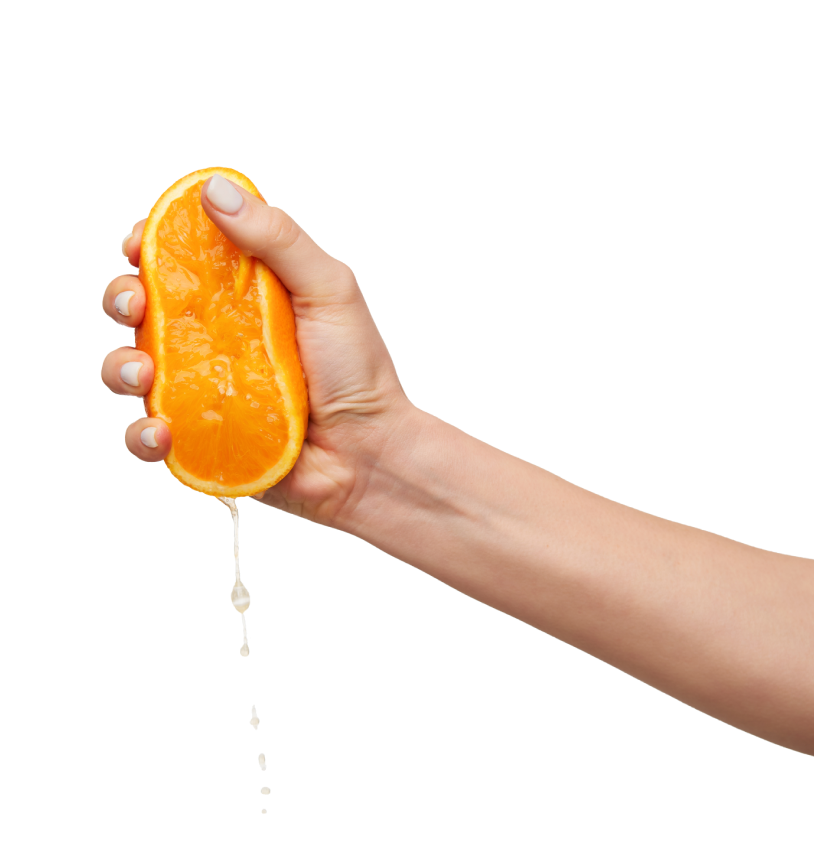
There is a huge difference between consuming a processed product and experiencing juice that has just been squeezed.
And that difference is not only about taste. It is about aroma, texture, the perception of naturalness, and the direct connection with the fruit.
When an orange is squeezed at the very moment it is going to be consumed, something happens that cannot be fully reproduced through industrial processes or prolonged storage: the experience preserves an important part of the fruit’s original identity.
This is precisely one of the principles that has historically guided Zummo’s technological development. Machines such as the Z22 Nature, present in hotels, cafés, and Horeca spaces around the world, aim to bring consumers an immediate and visually transparent squeezing experience.
Because seeing an orange turn into juice in a matter of seconds completely changes our relationship with the product. It makes it feel alive, fresh, and recognisable.
And at a time when much of our food seems increasingly disconnected from its origin, that direct connection with the fruit becomes even more valuable.
Much more than nutrition: sustainability and full use
Behind every glass of juice there is much more than nutrition. There is agriculture. There is circular economy. There is the responsible use of resources.
Every year, millions of tonnes of citrus fruit are used to make juice for purely aesthetic reasons that prevent them from being sold as fresh produce. Many of these fruits have differences in size, superficial marks, or external defects caused by weather events. However, their internal properties remain intact.
The juice industry makes it possible to use all this production and prevent huge quantities of fruit from becoming food waste.
In addition, the use of citrus fruit goes far beyond the juice itself.
|
Part of the orange |
Use |
|---|---|
|
Pulp |
Food industry |
|
Peel |
Essential oils and cosmetics |
| Rinds | Animal feed |
All of this makes the citrus sector a clear example of comprehensive use and productive sustainability.
A deeply Mediterranean tradition
Orange juice also speaks of territory. It speaks of a way of understanding agriculture and food that is linked to the Mediterranean, its landscapes, and its consumption habits.
Spain is one of the world’s major benchmarks in citrus production and export. Orange cultivation is part of a value chain that brings together growers, cooperatives, companies, technicians, transporters, distributors, and hospitality professionals.
Behind a glass of juice there are many hands. There is agricultural knowledge. There is fruit selection. There is technology. There is logistics. There is service. There is an entire industry working so that something as apparently simple as a glass of freshly squeezed orange juice reaches the consumer with the highest possible quality.
This dimension is often left out of the digital debate. When a headline reduces juice to “sugar”, it removes all that complexity at once. The fruit disappears. The field disappears. The value chain disappears. The context disappears.
And without context, any food can be misinterpreted.
Returning to what is essential
Today’s food conversation is surrounded by extremes. New trends constantly appear promising to radically transform our health while demonising traditional products or simplifying deeply complex debates.
But perhaps true sophistication today consists precisely in returning to simplicity.
To recognisable products. To natural ingredients. To foods that do not need to dress themselves up as trends in order to continue making sense.
100% freshly squeezed orange juice has been part of our food culture for generations because it connects directly with something essential: real fruit.
Nothing more.
And perhaps, in an age full of noise, few things are now as valuable as that.
At Zummo, we believe precisely in that idea: respecting the fruit, taking care of the process, and bringing consumers an authentic, fresh, and recognisable squeezing experience.
Because when nature has already done its job well, the best thing we can do is avoid adding anything unnecessary.