Professional Area
 Distributors
 en
en

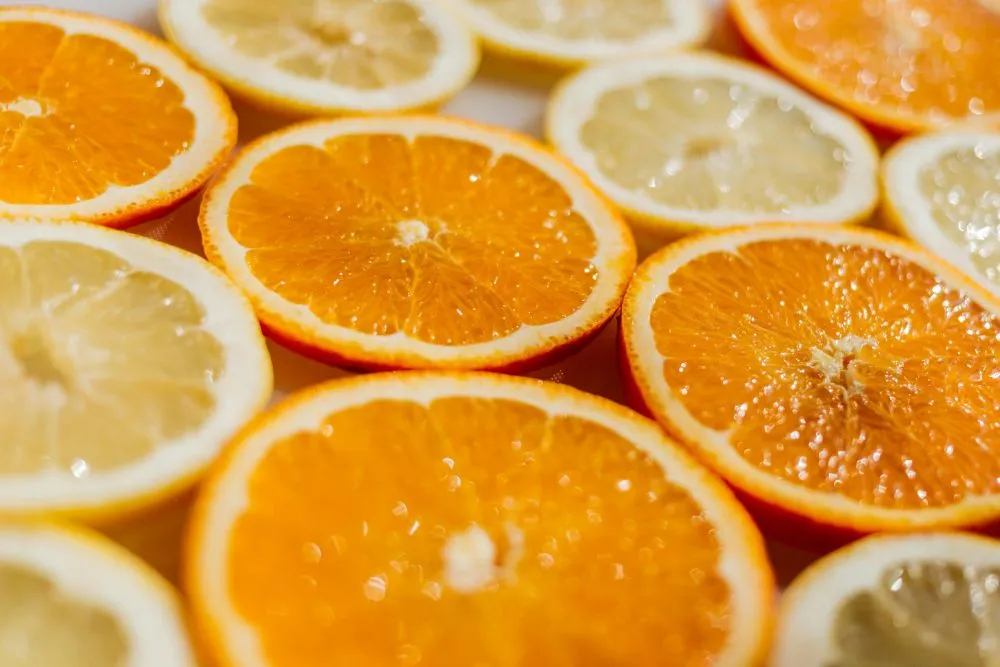

Each juice offers specific benefits, from supporting the immune system to improving digestion, but they should be consumed in moderation and should not fully replace whole fruit.
Blueberries
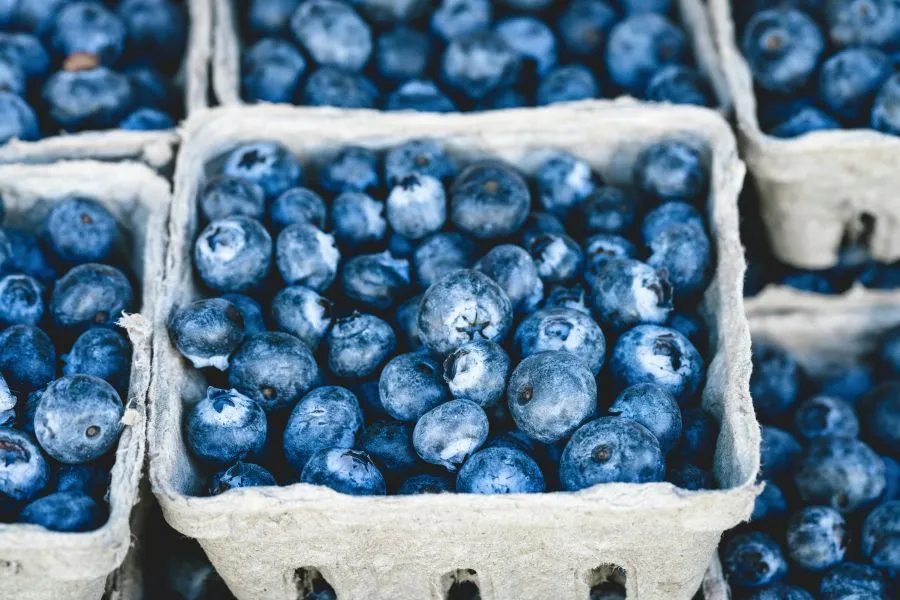
Blueberry juice is known for its antioxidant properties and for helping to prevent urinary tract infections.
Per 100 ml, it provides around 46 kcal and about 12 g of natural sugars, with practically 0 g of fibre. It stands out for its high vitamin C content and bioactive compounds such as proanthocyanidins, which are credited with their protective effect on the urinary tract (they prevent bacteria from adhering to the urinary tract). It is also rich in other antioxidants that fight free radicals and reduce inflammation.
Pomegranate
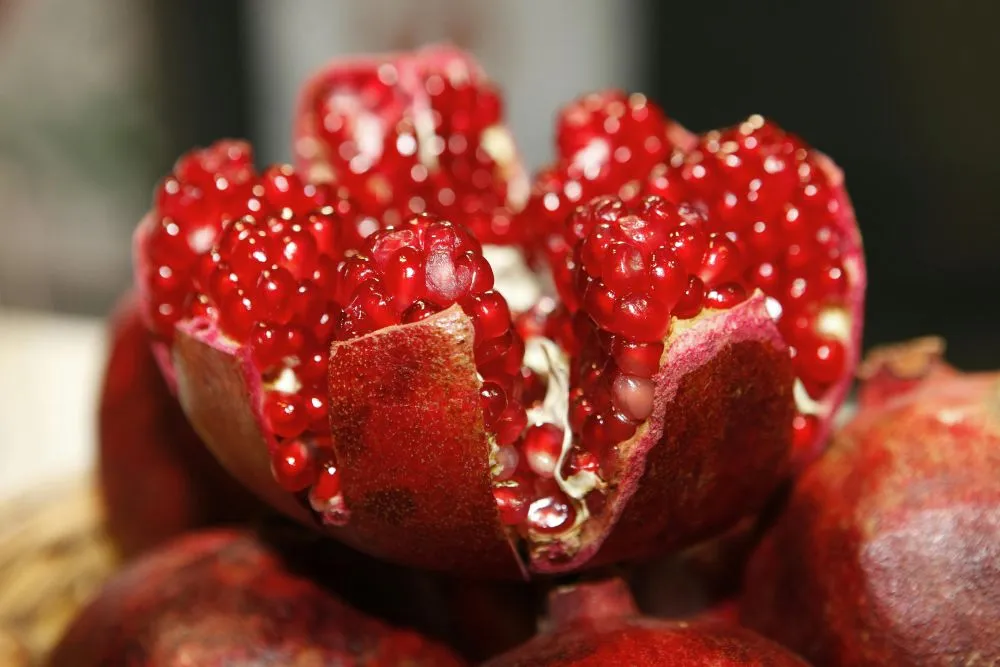
Pomegranate juice has become popular as a superfood due to its richness in antioxidants and nutrients.
It contains 65 kcal per 100 ml in its natural unsweetened version. Although it is moderately caloric, it provides potassium (around 215 mg/100 ml) and small amounts of vitamin C. The most notable elements are its antioxidant polyphenols (ellagitannins, anthocyanins, punicalagins, etc.), which give it anti-inflammatory and cardioprotective properties. Studies indicate that pomegranate juice may help improve circulation and reduce blood pressure, thanks to compounds such as quercetin that promote vasodilation. Likewise, its intake is associated with better control of LDL cholesterol and protection against oxidative damage to cells, potentially reducing cardiovascular risk.
Orange
Orange juice is a breakfast classic, valued for its flavour and high vitamin C content. A 250 ml glass of freshly squeezed orange juice provides approximately 135 mg of vitamin C, covering 100% of the recommended daily intake of this vitamin.
Nutritionally, 100 ml of orange juice provide ~47 kcal, ~10.9 g of carbohydrates (mainly fructose) and some potassium (~210 mg). It is an excellent source of vitamin C (an antioxidant that strengthens immunity and promotes collagen production in the skin) and also provides folates and carotenoid compounds. Its antioxidants help neutralise free radicals, contributing to heart and skin health. It is recommended to consume 100% freshly squeezed orange juice, without added sugars, in order to benefit from its properties.
Grapefruit
Grapefruit juice is very light and refreshing. Around 90% of its content is water, which is why it has a hydrating and diuretic effect.
It provides just 28–39 kcal per 100 ml, making it one of the lowest-calorie juices. Even so, it delivers a good dose of nutrients: it is rich in vitamin C, contains provitamin A (beta-carotene) and minerals such as potassium and magnesium. This combination strengthens the immune system and contributes to skin health (thanks to vitamin C, which promotes collagen production). Grapefruit also contains powerful citrus antioxidants such as naringin and quercetin, which may help reduce cholesterol and delay cellular ageing by combating oxidative stress.
Note: Grapefruit juice may interact with certain medications, so it is advisable to consult a professional if specific medicines are being taken.
Tomato
Although technically it is a fruit, tomato juice is usually considered a healthy vegetable juice.
It is very low in calories (approx. 19 kcal/100 ml only) and low in sugars, yet surprisingly dense in essential nutrients. It is a notable source of lycopene, a carotenoid antioxidant that gives tomatoes their red colour. In fact, a glass (200–250 ml) of tomato juice can cover or exceed the recommended daily intake of lycopene. This has been associated with cardiovascular benefits, as lycopene and beta-carotene help reduce the risk of atherosclerosis, heart attacks and strokes. Tomato juice also provides vitamin A (through beta-carotene, it contributes to visual and skin health), vitamin C, vitamin K and minerals such as potassium. In addition, it retains some soluble fibre (pectin) if it is prepared by blending the whole tomato, which benefits digestion. Its combination of antioxidants and low calorie content makes it ideal for hydration and nourishment, and studies suggest that its regular consumption may help reduce cholesterol and inflammation in the body.
Beetroot
Beetroot juice is known for its vibrant purple colour and its positive effects on circulatory health.
Per 100 ml it provides ~44 kcal, along with ~10 g of carbohydrates and 1 g of protein. Its main virtue lies in its high content of natural nitrates, compounds that in the body are converted into nitric oxide. This molecule dilates blood vessels, improving blood circulation and helping to lower blood pressure. Several studies have observed that drinking beetroot juice may modestly reduce systolic blood pressure, thanks to this vasodilatory effect. In addition, beetroot is rich in folates (vitamin B9), potassium, and antioxidants such as betalain, the pigment that gives it its characteristic colour. Betalain has anti-inflammatory and antioxidant properties that protect cells from premature ageing. Because of its nitrate content, beetroot juice has also become popular among athletes: it may improve physical performance in endurance exercise by optimising oxygen use and reducing fatigue. However, moderation in its daily consumption is recommended (around 250 ml/day) to avoid adverse effects in people sensitive to its components.
Lemon
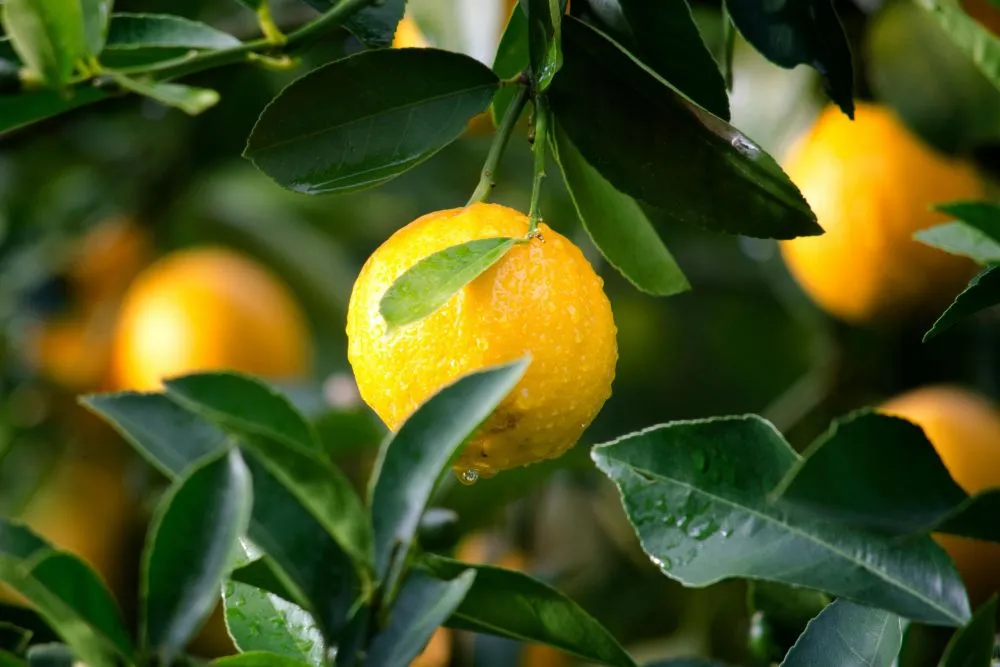
Lemon juice (generally consumed diluted in water or as a dressing) is the lowest in calories on the list: around 23–26 kcal per 100 ml.
Although few people drink 100 ml of pure lemon juice because of its acidity, its nutritional contribution is remarkable. Lemon is extremely rich in vitamin C – just one can cover half of the daily requirements – and its concentrated juice is loaded with antioxidants. Specifically, lemon juice contains abundant citrus flavonoids and carotenoids with antioxidant, immunomodulatory and anti-inflammatory effects. Therefore, adding fresh lemon juice to drinks or meals may strengthen the immune system and improve the absorption of iron from plant-based foods (vitamin C promotes the absorption of non-heme iron). It is also attributed with digestive and detox benefits, although its alkalising effect on the body is controversial. What is clear is that homemade lemonade (water with lemon) is a very hydrating and healthy option to refresh yourself, avoiding the calories and sugars of other sweeter juices.
Pineapple
Pineapple juice is a sweet tropical drink that offers more than good flavour. One 240 ml serving contains around 132 kcal (approx. 55 kcal per 100 ml), along with ~33 g of carbohydrates (25 g of natural sugars).
Nutritionally, it stands out for being rich in manganese – one glass provides more than half of the daily requirement of this essential mineral for bones and metabolism – and a good source of vitamin C, vitamin B6 and copper. However, pineapple’s unique component is bromelain, a group of enzymes present in its juice. Bromelain helps break down proteins, aiding digestion (which is why pineapple has traditionally been used to tenderise meat). It also shows anti-inflammatory properties: comparative studies suggest that it may reduce inflammation and pain in a way similar to painkillers, with fewer side effects. Thanks to these compounds, pineapple juice has been associated with benefits such as improving joint health, supporting immune function (some flavonoids and vitamin C it contains strengthen the body’s defences), and it may even contribute to heart health by slightly reducing blood pressure and the risk of clots. It is advisable to choose 100% freshly squeezed pineapple juice to obtain natural bromelain (some processed products may inactivate it) and to moderate portions given its sugar content.

Watermelon
Watermelon juice is basically like drinking the fruit itself because of its very high water content (≈92% water). It is highly hydrating and very low in calories: ~19 kcal per 100 ml (less than 50 kcal in a 250 ml glass). Despite its lightness, it is not lacking in nutrients.
Watermelon provides important electrolytes such as potassium and magnesium, although it is low in sodium. It also provides some vitamin C and vitamin A (beta-carotene), as well as the antioxidant lycopene that gives it its red colour. Lycopene in watermelon helps improve cardiovascular parameters, as it is associated with healthier blood lipid levels and lower blood pressure. In addition, watermelon is the fruit richest in L-citrulline, an amino acid that in the body is converted into arginine and stimulates nitric oxide synthesis. The result? More dilated blood vessels and reduced blood pressure with regular consumption. This same citrulline also seems to help muscles: studies indicate that drinking watermelon juice after exercise reduces muscle soreness and speeds up recovery by improving blood flow to the muscles. In short, watermelon juice hydrates like water but with an extra boost of beneficial nutrients and antioxidants. Even so, like other juices, it is best consumed in moderate portions due to its sugar content (a typical serving of watermelon has less sugar than that of other fruits, but in juice form it is still concentrated).
What should you keep in mind when choosing the best fruit juice?
When choosing a healthy juice, it is worth paying attention both to its nutritional composition and to the freshness of the product.
Nutrients
An authentic juice is obtained directly by squeezing the fruit and contains no added sugar or additives, unlike nectars, which may contain water, sweeteners or flavourings. For example, a nectar usually has a lower percentage of fruit. Look for terms such as “100% freshly squeezed juice” or “not from concentrate” – the latter indicates that the juice has not been rehydrated from concentrate, which may better preserve its flavour and nutrients. It is also preferable for the juice to retain some pulp, since that is where part of the fruit’s fibre and micronutrients are found.
Do not be misled by claims such as “no added sugar” on juices that are already 100% fruit: legally, fruit juice cannot contain extra sugar, so all pure juices are by definition free from added sugar. What matters is that the sugar present comes only from the fruit. Likewise, pay attention to the vitamin content on the label: some industrial juices add vitamin C or other nutrients for fortification, but in fresh juices these vitamins are naturally present. Ultimately, the best nutritional choice is usually a freshly made natural juice or a packaged 100% fruit juice that has been minimally pasteurised.
Freshness
The freshness of the juice greatly influences both its nutritional and organoleptic quality. Packaged industrial juices go through processes such as thermal pasteurisation or high-pressure HPP treatments to extend shelf life. Although these processes eliminate harmful microorganisms, they may also destroy natural enzymes and degrade sensitive vitamins such as A and C, in addition to diminishing the fruit’s fresh flavour. In other words, a juice that has spent months in a bottle does not taste or nourish in the same way as one that has just been squeezed. Therefore, whenever possible, opt for fresh or freshly squeezed juices, where the fruit’s “goodness” is better preserved: they retain digestive enzymes, antioxidants and the fruit’s authentic flavour.
A practical tip is to make your own juice at home or look for a place that has a professional fruit juicer like those from Zummo and drink it on the spot.
Possible disadvantages of juice
Although natural juices offer benefits, they also have some disadvantages compared with whole fruit, mainly related to fibre and sugar.
Low in fibre
When a fruit is squeezed to obtain its juice, almost all of the dietary fibre contained in the whole piece is removed. Fibre is essential because it slows down the absorption of the fruit’s natural sugars in the intestine. Without that fibrous matrix, the sugar present in the juice passes quickly into the bloodstream.
The lack of fibre in juices not only affects sugar absorption; it also means lower satiety. Juice is less filling than solid fruit, which may lead to consuming more calories without noticing it.
Higher sugar content
Fruit juices, even without added sugar, contain concentrations of simple sugars (fructose, glucose, sucrose) that come from the fruit itself.
For this reason, dietary guidelines recommend moderation. And of course, completely avoid those industrial “juices” or nectars that contain added sugar, as they raise the sweetness level without providing additional benefits.
In conclusion, fruit juices can be allies of good health because of their richness in vitamins and antioxidants, as long as they are consumed in an informed and balanced way.